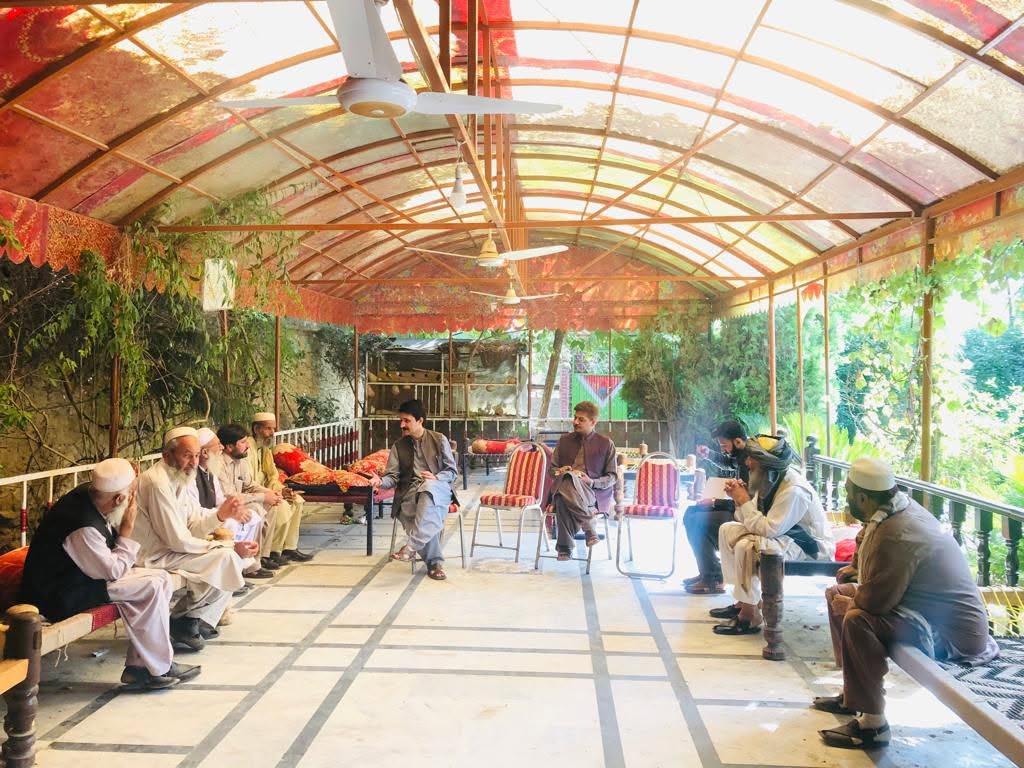
Individuals are embedded agents, who make strategic choices within the broader contours of institutionalized structures of relations. Institutions (the ‘normalized’ rules and procedures of social relations and interactions) create structures of opportunities and constraints, without which cooperation would be impossible. A change in the institutional structure of a human collective reconfigures social expectations and structures of incentives. This research seeks to evaluate various sociopolitical and economic aspects of the merger of the erstwhile Federally Administered Tribal Areas (FATA), especially district Khyber and Bajaur, into Khyber Pakhtunkhwa. Specifically, it addresses the following questions: How do the traditional, tribal structures of relations, collectively called as Pashtunwali, interact with the newly instituted rational, individualist institutional order? What administrative, legal, and sociopolitical hurdles are faced by the state authorities to implement the new institutional order? How can the new structures of opportunities and constraints help in promoting democratic culture, signifying individual freedom and responsibility, in the merged districts? And finally, what strategic interventions, on the part of the state authorities and civil society, are needed to make possible a smoother transition from a traditional to a rational order?